Inlay/Onlay Porcelain Filling Application
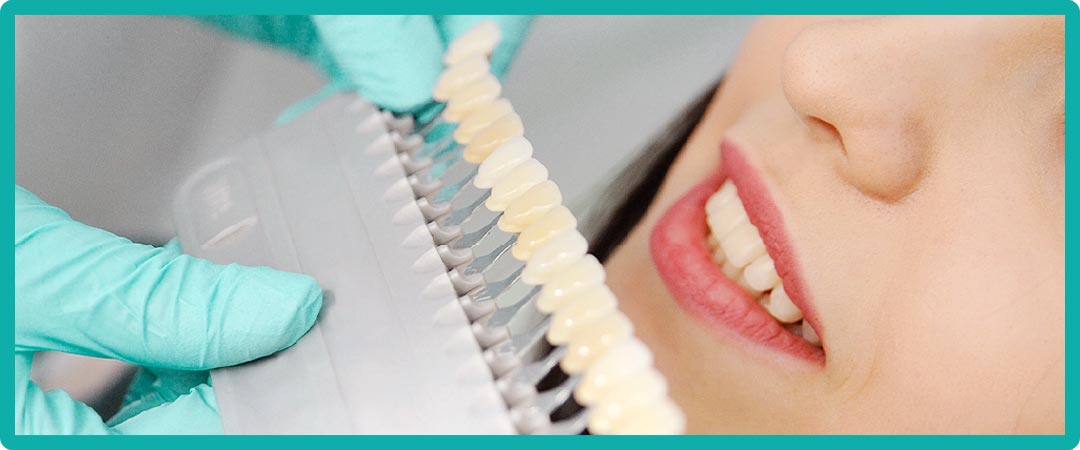
Inlay and Onlay: Aesthetic Porcelain Fillings
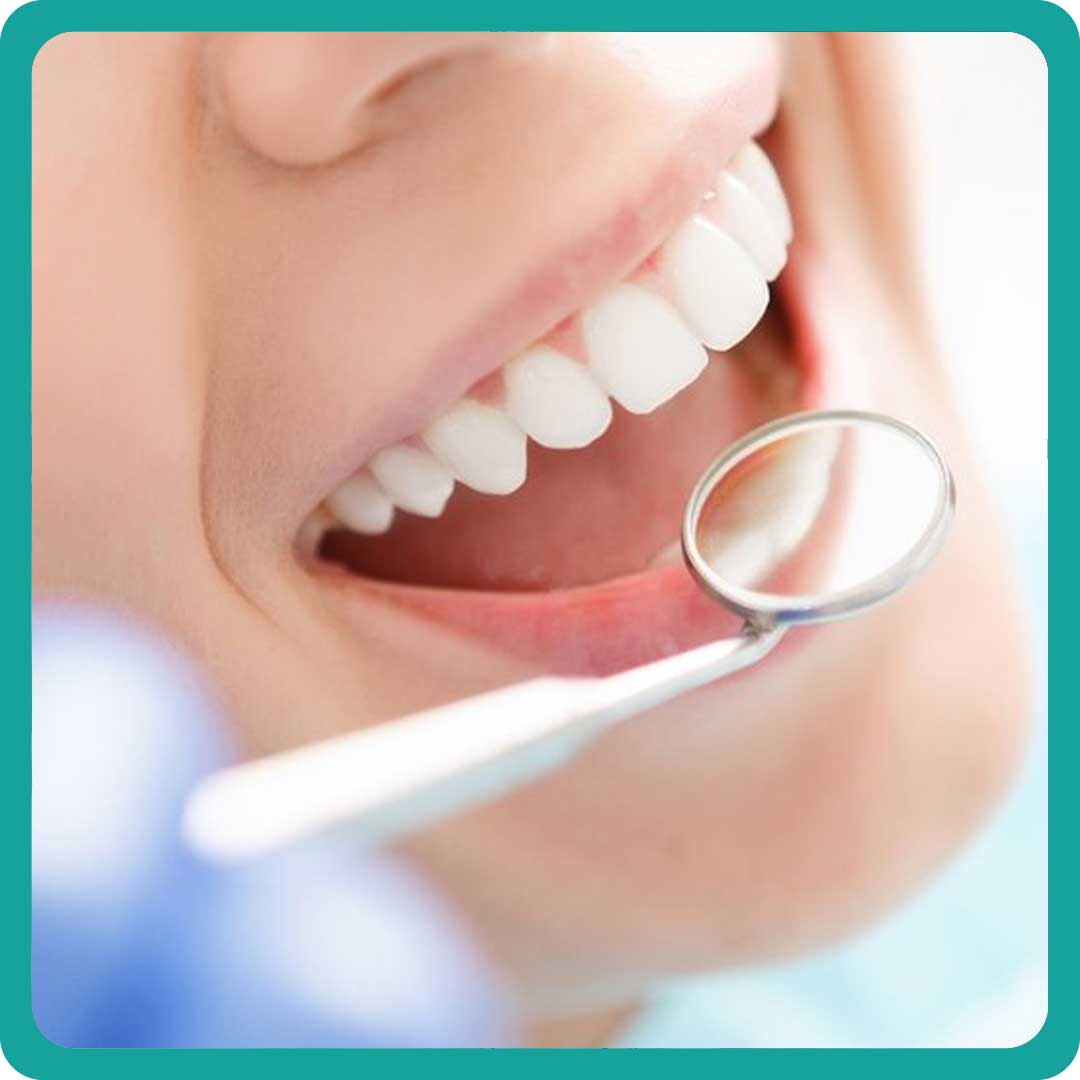
Inlay/Onlay: In cases where there is not enough tooth structure to support the filling used for dental aesthetics, and the tooth has not been significantly damaged to warrant a crown, inlays or onlays are employed. In other words, inlay/onlay restorations can be explained as a type of restoration between a filling and a crown. In situations where it is challenging to perform a filling due to extensive loss of tooth tissue but the tooth does not require a full crown, inlay/onlay restorations are preferred.
Due to their high durability, they can remain in the mouth for years without damage.
Inlays and onlays are prepared in the laboratory, which may extend the treatment to two or three sessions. In the first appointment, decay is removed, and an impression of the prepared tooth and surrounding teeth is taken. The tooth is temporarily covered with a filling material. In the second appointment, the temporary filling is removed, and a trial of the inlay or onlay prepared in the laboratory or through digital scanning systems (CAD/CAM) is conducted. It is then polished and bonded to the tooth using a special adhesive.
Inlay/onlay restorations can be made using various materials, such as ceramic or fiber-reinforced filling materials. The choice of material depends on the patient's tooth structure, the occlusion of the teeth, and the condition of existing restorations in adjacent/contralateral teeth. They are generally preferred in cases where teeth have undergone root canal treatment or when there is significant substance loss preventing the reformation of the tooth form within the oral cavity. These restorations help restore contacts with adjacent teeth and achieve the desired tooth form.
In the application stages of inlay/onlay restorations, tooth tissues are first cleaned and prepared from decay. Subsequently, an impression is taken from the prepared tooth. There are two different techniques for impression-taking: the first involves the use of putty-like impression materials, known as the traditional method, and the second method involves digital scanning systems (CAD/CAM). Following this, the inlay/onlay is prepared based on the impression in the laboratory or the production part of the digital scanning system. These restorations are then bonded to the tooth using a precise and special adhesive system.
Areas of Application for Inlay/Onlay: Porcelain fillings, in the case of extensive material loss in molar teeth or when one or more surfaces are broken, especially in molar teeth with widespread interproximal caries problems on both sides, are generally applied to the posterior teeth.
Advantages of Inlay/Onlay:
- - More durable compared to composite fillings, with virtually no marginal leakage.
- - Prevents the need for crowning by preserving the remaining healthy tooth structure.
- - Provides both aesthetic appeal and long-lasting durability over many years.
- - The chewing surfaces and interproximal surfaces of porcelain fillings are excellently polished, resisting bacterial accumulation and stain formation.
- - Due to their preparation in the laboratory, porcelain fillings closely mimic the missing contours of the tooth and contact points with adjacent teeth, preventing food debris accumulation and related issues.
Aesthetic Porcelain Filling Prices:
Aesthetic porcelain filling prices are generally higher than those of commonly performed composite dental fillings. The reasons for this are the materials used and the necessity for a specific aesthetic procedure on the tooth. When evaluating prices, we recommend considering the materials used, equipment, and the assessment of aesthetic skills.
Discover the Best and Affordable Treatment Options with FeelinHealthy
Inlay/onlay treatment is an excellent way to achieve a healthy smile with an aesthetic appeal. Discover the best and affordable treatment options in Turkey with FeelinHealthy. Tailored treatment plans, reasonable prices, and high-quality standards make attaining a healthy smile more accessible.

Related content
Treatments, Health Technologies and Holiday Routes... All on our blog...